
I recently went on a nearly 3-week trip through Europe and visited quite a few places: London, Brussels, Geneva, Zurich, Nürburg, Paris…
But the place that struck me hardest - the one that stayed with me long after we left - was Cologne, Germany.
Specifically: the Kölner Dom.
Cologne is a 2.000 year-old city, and the Kölner Dom is its heart, a true gothic landmark. A monument of devotion, complexity, history, and size that you can see from kilometers away. I had seen videos. I had seen pictures. I thought I was prepared.
But nothing compares to standing in front of it.
We were driving our 5 meter-long rental van toward the city, when suddenly, there it was - the cathedral towering over every other building.
Massive.
The kind of massive that makes you ask yourself: “Why would humans build something like that?”
After a long hunt for parking (turns out Cologne - as many other European cities - wasn’t built for large vans), we started walking through the streets.
At first, you can’t see it clearly - other buildings block your view. But then, as you get closer, the two front towers appear. Just the crosses at the top, at first. Then the details in the complex stonework. Then the full facade to the West of the cathedral.
I stopped walking.
I stood there.
It was the most imposing human-made structure I have ever seen. Not just because of the size - but because of what it represents.
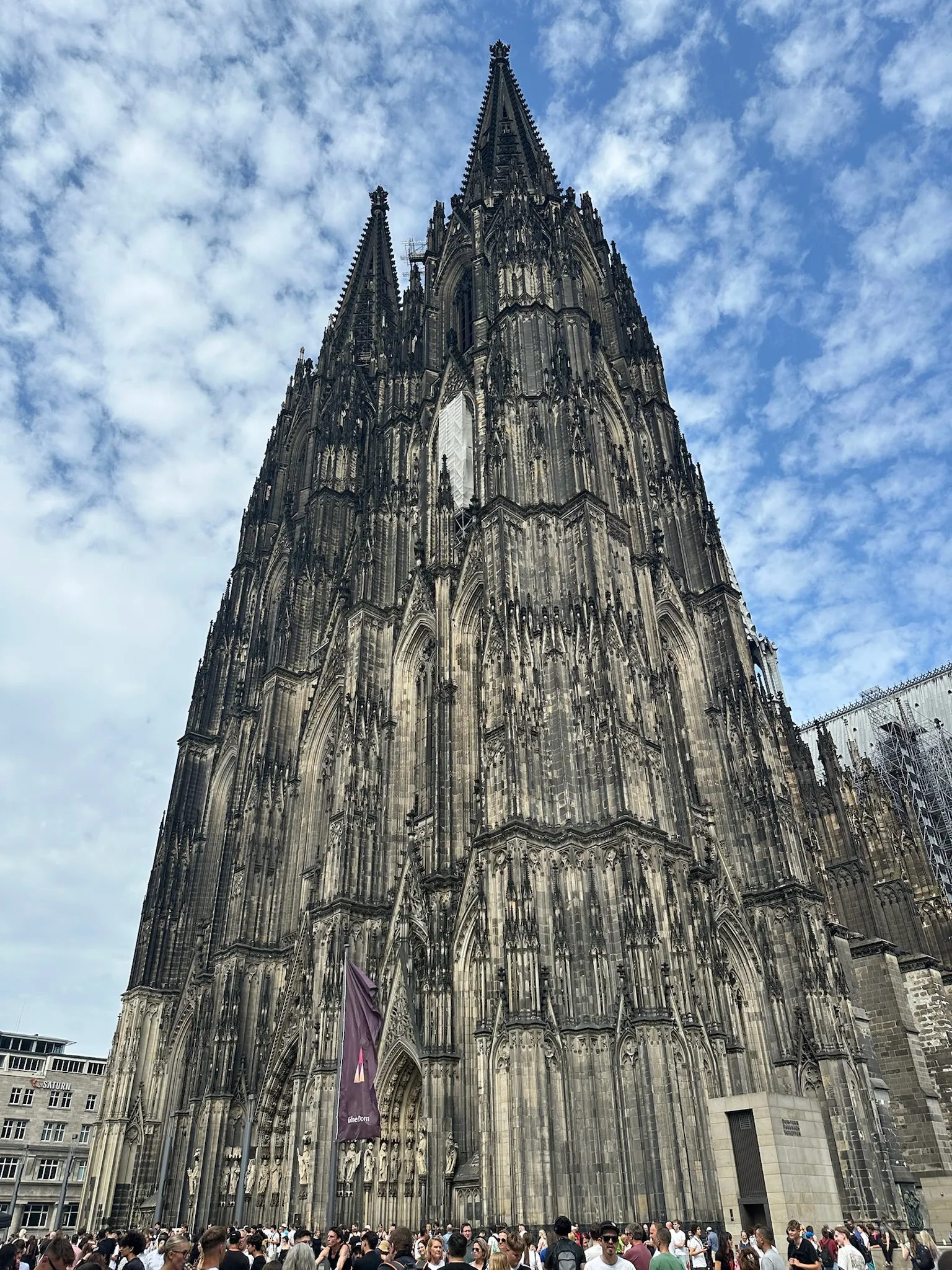
The Cologne Cathedral took 632 years to build.
Six. Hundred. Thirty-two. Years.
Over six centuries.
Construction began in 1248. It paused. It restarted. Generations passed. The world changed. But the vision lived.
They say it’s still not finished - it never will be. Maintaining something like that requires constant attention and renovation. Parts break. The stones crack.
Time does its magic.
But still, it stands - an eternal build.
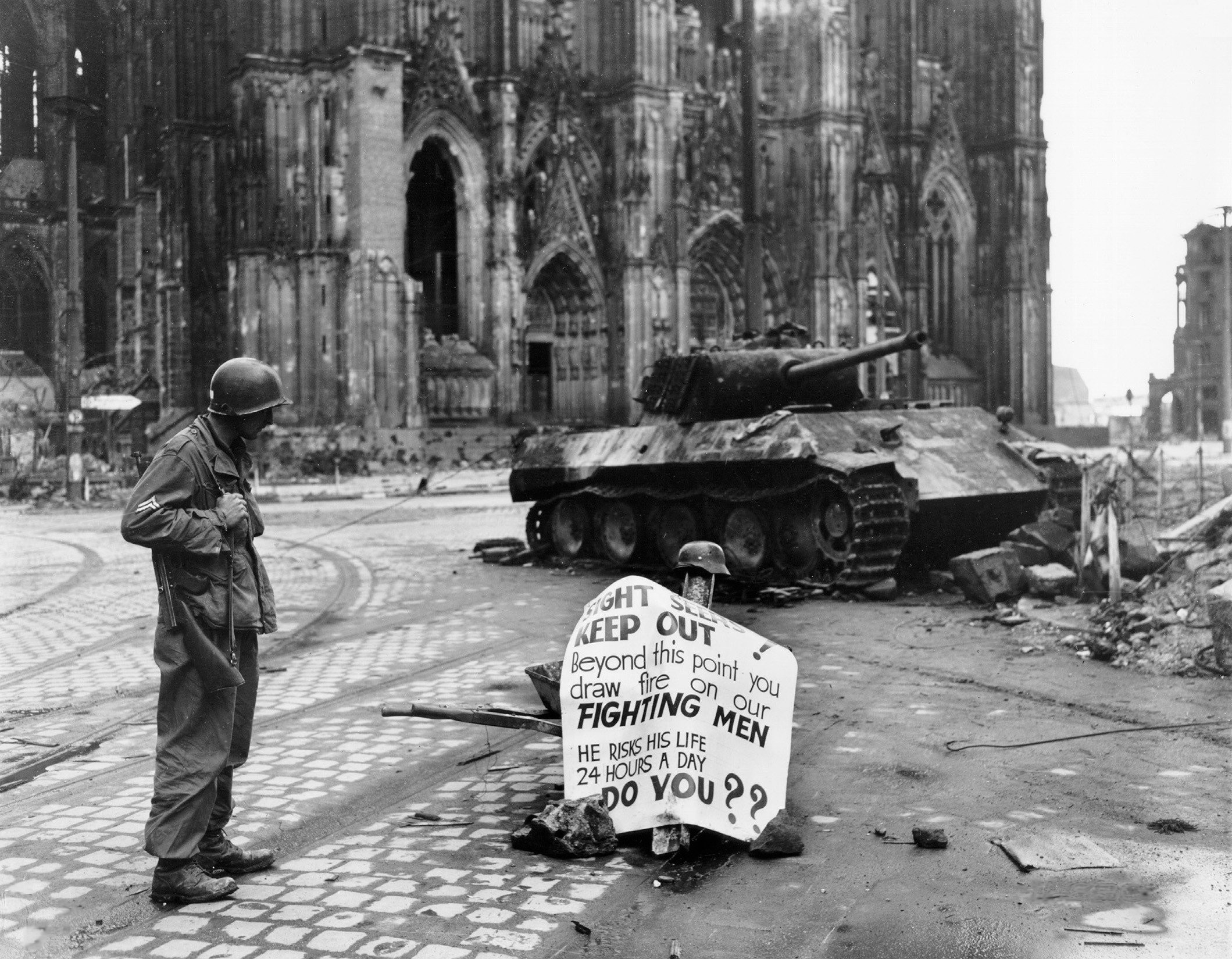
Now, I might not know the full story of the cathedral.
But one question came to mind:
How do you get human beings to work together across centuries to build something like this?
Maybe it was faith - shared belief that gave the work meaning.
Maybe it was power - leaders trying to immortalize their legacy through stone and hard work.
Maybe it was purpose - the desire to continue something others began, to honor a vision greater than yourself.
I thought about it for days. Weeks. I even brought it up in therapy.
And maybe that’s why I’m writing about it now.
You might ask:
What does this have to do with tech? Or teams? Or building software?
I also asked myself that.
And here’s the thread I started pulling on:
If humans can coordinate over centuries to build something like this…
why does it feel so hard to get a product team aligned for six months?
I’m not being ironic. It’s a genuine question.
Why does collaboration feel this hard now, with all our tools, resources, and instant messaging?
Is it just that physical structures engage people differently than digital ones?
Or is there something that can help people stay focused on a common goal - even when the people themselves change?
I keep making this parallel to the cathedral: built by multiple generations of people, idealized over centuries, probably different from its original vision.
But it was built regardless.
It stands.
So how do we get there?
How do we make sure that when a team has a goal - even when people come and go - the thing we’re building still finds its way into the world?
How do we build software like we’re building cathedrals?
Maybe we don’t.
That day in Cologne, it was hot. The square in front of the cathedral was full of people. Street musicians showcased their talents. People took photos, laughed, and searched for shade from the sun.
Life was flowing around the cathedral. As it has, for centuries, and will keep on flowing.
And maybe that’s the point.
It’s not just about the things we build.
But about what we build around.